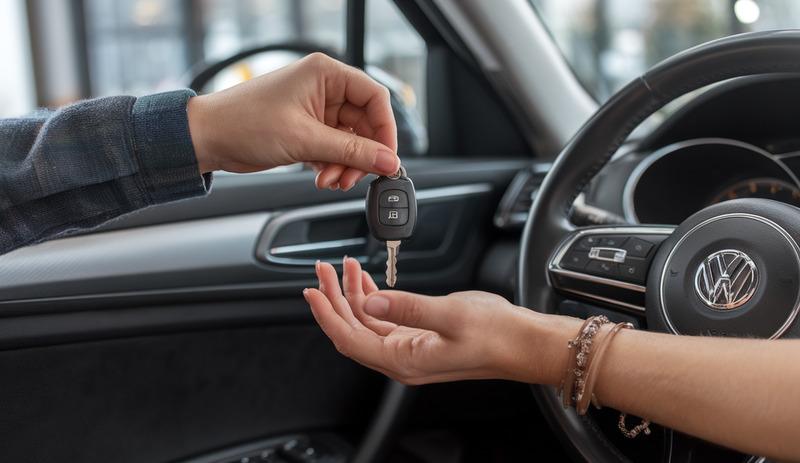
You’re ready to head out, and suddenly your car key won’t work. Nothing. No click, no start, just frustration. Your mind races with questions and worry about what could be wrong.
Don’t panic. Car key problems happen more often than you might think, and most are easily fixable. This guide will walk you through the most common reasons your car key might suddenly stop working and what you can do about it.
Troubleshooting Car Key Problems: What You Need to Know
Modern car keys look simple, but they hide tiny electronics that talk straight to the car’s lock system. When a key stops working it feels a bit like trying to talk to a dead phone. Knowing the most common troubles and how to check them can stop lockouts and pricey service calls.
Battery Issues: The Quiet Key Killer
A dead key‑fob battery is the number one reason keys act up today. The battery feeds the radio signal that tells the car to lock, unlock, or start. When the charge drops the fob replies slow, maybe you have to press the button a few times before the car reacts.
Symptoms
- Unlocking works only sometimes.
- Panic alarm won’t sound even after many tries.
- The “keyless entry” light flashes but nothing opens.
Pro tip: Batteries are cheap (around $3‑$8). You can buy them at the grocery store, a big‑box electronics shop, or an auto‑parts place. Replacing it yourself usually means prying the fob open with a tiny screwdriver, swapping the coin cell, and snapping the cover back.
Physical Key Damage: What to Look At
Even a little bend or crack can hide the key’s ability to talk to the car. Scratches, broken plastic or worn‑out button spots break the antenna and the tiny computer inside. If you’re in McKinney, TX and experiencing key issues, early detection can save you from costly replacements.
Check list:
- Bent edges – any twist may shift the antenna.
- Cracks that expose chips or wires.
- Buttons that feel floppy or don’t click correctly.
- Moisture or rust inside the battery slot.
Also Check Out: Why Does My Lock Click but Not Open?
Electronic Interference: The Invisible Enemy
Key‑fob signals travel at specific frequencies (315 MHz or 433 MHz). Nearby electronics can jam them. Phones, Bluetooth speakers, or thick concrete walls can act like an invisible traffic jam. Our team at Local Runners Locksmith can help diagnose these tricky signal problems.
How to reduce:
- Step a few feet away from your phone or Wi‑Fi router before pressing the fob.
- Stay clear of big metal structures like garage gates.
- If interference keeps happening, think about programming a newer fob.
When DIY Isn’t Enough
You may have swapped the battery, checked the shell, and moved far from phones, and the key still won’t work. That’s when a professional should step in. Our locksmiths can test the key, pull a broken piece out of a lock, and re‑program a replacement.
Professional tips:
- Call a licensed locksmith who understands complex key systems.
- Don’t force a broken key – it can bend the lock pins.
- Keep any receipts or programming codes the dealer gives you.
In Conclusion
Car keys are more than metal tags; they are tiny communication gadgets that need upkeep. A dead battery is the silent key killer. Physical wear can quickly cut the link between fob and car. While many problems are solvable with simple DIY steps, know when you need professional help.
Car key troubles are frustrating, but they’re rarely permanent. With the right knowledge and quick action, you can solve most key problems without major headaches.
Quick Pro Tips:
- Always keep a spare key
- Check battery regularly
- Don’t ignore early warning signs